
How to Build an App Like Uber: Cost, Features & Business Model

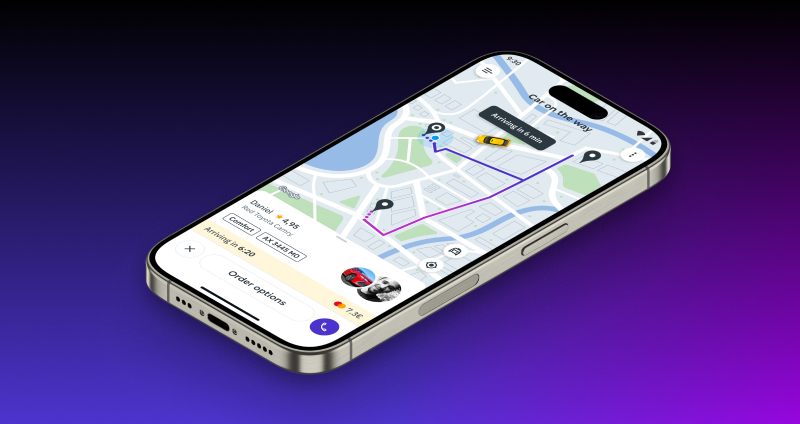
The idea of calling a car with just a tap was once a novelty. Today it feels routine, yet the market behind it keeps expanding. Analysts estimate ride-hailing revenue could pass 390 billion USD by 2027, which shows the space is still wide open for newcomers. No wonder so many founders ask how to build an app like Uber and turn that demand into a business.
When people talk about Uber- like apps, they often imagine a copy of the original. In reality, every region has its own needs: price sensitivity, payment habits, even cultural expectations. Success depends on matching those local factors with the right tech. Companies such as Mobion share know-how on building reliable platforms without overspending in the first stages.
What Is an Uber Like App and How Does It Work?
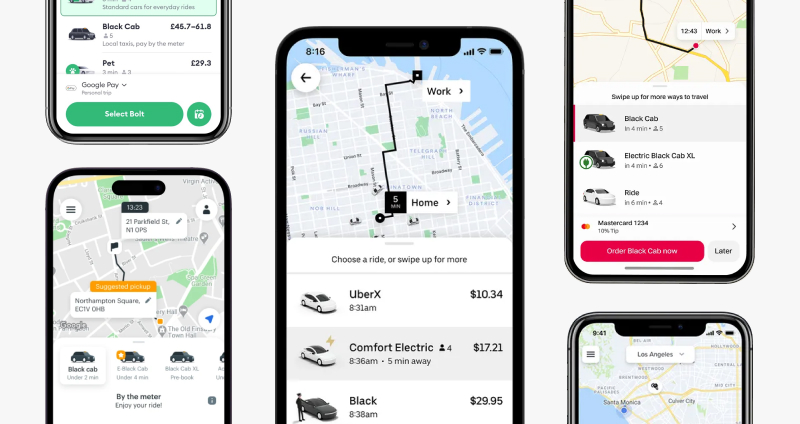
Not so long ago, calling a taxi meant dialing a dispatcher and waiting. Then one company flipped the script. An uber like app gave people the power to order a ride with a single tap, track the driver on a map, and pay without cash. The idea spread fast, and today most city dwellers can’t imagine going back.
But taxis are only the beginning. We’ve seen this playbook used in groceries, home services, even pet care. The concept is simple: connect demand with supply, cut out the middle layers, and make it instant. That’s why so many founders look at apps like Uber to make money. According to PwC, the wider “sharing economy” could hit 1.5 trillion USD by 2030 – numbers that explain the rush.
From our side as developers, we notice one repeating pattern. Every platform, no matter the niche, starts with three pieces: a client app, a provider app, and an admin tool. The details change – maybe it’s riders and drivers, or patients and nurses – but the structure holds.
What makes this model addictive is scalability. Test in one district, fix the pain points, roll it out citywide. Suddenly a small experiment becomes a serious business.
MVP: How to Create an Uber-Like App Step by Step
Many startups dream big and want to launch a full product at once. The risk is obvious: months of development, high costs, and no guarantee that users will even like it. A safer path is to create an Uber like app in stages, starting with an MVP.
An MVP, or Minimum Viable Product, is a simplified version of the final product. It contains only the features needed to run basic operations. For a ride-hailing platform, that often means three elements – the rider app, the driver app, and a simple admin panel. With just these, a team can already test the concept in one city and see if real people are ready to use it.
Why is this approach so popular? Research by CB Insights shows that 35% of startups fail because they build something the market doesn’t need. An MVP helps avoid this pitfall. By releasing early, gathering feedback, and adjusting quickly, founders reduce wasted effort and money.
In the following sections we will look at MVP in detail: what features matter most, how the development process is organized, and what it takes to bring the first version to market.
-
Core Features to Create an Uber Like App
If someone asks us how to create a taxi app like Uber, we usually say: don’t overthink it. At the start, riders care about two things – can I book a car fast, and can I pay without hassle. Drivers? They want clear trips and money tracking. Everything else is noise. Uber’s first version in San Francisco was super plain. No loyalty cards, no gamification. Just rides that worked. We’ve seen startups get lost in building extras before even launching. That’s a mistake. Build the core loop first – request, match, ride, pay. Then you’ll know if people actually want your product.
-
Uber Like App Development Process in MVP Stage
Honestly, most MVP journeys look messy. We’ve sat in rooms with paper sketches taped to the wall, arguing about buttons and flows. That’s fine. Define the rider path, the driver path, nothing more. Then code only what matters: backend for rides and payments, frontend people don’t hate using. Integrations are critical – usually Google Maps for routes and Stripe for payments, though we’ve also plugged in local gateways. Bolt (back when it was still Taxify) shipped updates weekly. Drivers complained face to face, fixes came a few days later. Not glamorous, but that speed kept the project alive.
-
Testing and Launching Your Uber Like Software
Testing an uber like software is brutal, and that’s the truth. One failed ride and trust evaporates. That’s why we tell clients to launch small – one district, maybe even one block. Uber did early tests with friends in San Francisco. inDrive tried its “negotiate your fare” idea in a single Siberian town before scaling. Track numbers that matter: average wait time, driver acceptance, payment success. Miss them, and no campaign will save you. Hit them, and you’re ready to grow. It sounds harsh, but we’ve seen too many teams burn cash skipping this step.
What Is the Uber Business Model: Key Insights for Startups
So, what is the Uber business model? On the surface it looks simple. Riders need a car, drivers need income, the app connects both and keeps a commission, usually about 25%. Uber doesn’t buy cars or hire drivers as staff. That decision made growth fast and cheap compared to traditional taxi firms.
Surge pricing played a big role. When demand jumped, fares went up. Passengers often hated it, drivers liked it, and the balance stayed in place. Without this, wait times would rise and the platform would fail during rush hours. We’ve seen smaller startups skip it, and most disappeared within months.
Competition showed how flexible the model can be. Bolt attracted users in Europe with lower fares and smaller cuts from drivers. InDrive tried another route in Siberia. Riders offered their price, drivers accepted or countered. Unusual at first, but it worked and spread quickly. Both examples prove that an uber like taxi app can succeed in more than one form.
Some markets prefer apps like Uber but cheaper. Others pay more for reliability or premium service. The key point for startups is that the Uber model is a framework, not a copy-paste recipe. Supply, demand, and trust between both sides are universal. The rest should be shaped by local habits and economics.
How to Start a Taxi Business Like Uber
People often ask how to start a taxi business like Uber. It sounds easy on paper — build an app, find drivers, launch. But would people in your city actually pay more for comfort, or do they always pick the cheapest ride? That’s the first question to answer. Market research is not just numbers, it’s about listening. (Here you can insert your own local case: what riders or drivers in your area complain about most).
Then comes technology. A working platform is the backbone. Without it, even the smartest business idea falls apart. Reliable taxi software like Uber covers the basics: booking, GPS, payments, driver tools. You can try coding from scratch, but it takes years and drains money fast. Ready solutions like taxi software like Uber let founders test faster.
Execution is where many fail. Uber started in San Francisco with a handful of cars. Bolt launched in Tallinn, a small market, then grew. inDrive tested in Siberia before going global. We’ve seen teams try uber like taxi app development in five cities at once — the apps looked polished, but no one used them, budgets burned, projects died. Start small, improve, repeat. The core has to work first, really work, before you scale.
Reliable Software for taxi business from Mobion powers seamless taxi apps with real-time dispatch, driver tracking, and secure payments, helping you launch and scale your ride-hailing platform efficiently.
-
Analyze the Local Market and Spot Opportunities
The first move is not coding, it is research. Who leads your city right now? Are ride companies like Uber the main choice or do people still rely on dispatch calls? The answer will shape your plan.
The global ride-hailing market is expected to pass 390 billion USD by 2027. Sounds big, but not all regions grow at the same speed. Asia moves quickly, Europe grows slower, and some markets barely change.
Focus on gaps. Passengers may dislike surge pricing or long waits. Drivers may feel trapped by high fees. Bolt noticed this in Europe and gained ground. inDrive let people set their own price and turned that into global growth. Your city has its own chance hidden in complaints.
-
Decide on Your Taxi Business Model
This step decides if the idea makes money or burns cash. What model fits best? Some apps copy Uber and charge per ride. Others ask drivers for a flat weekly fee. A few try mixing both. None is perfect.
A commission model looks easy. Uber takes about 25%. Fast to scale, yes, but drivers complain when cuts feel too high. Flat fees give drivers control, though fewer may join at the start. Which matters more in your city — low prices or reliable service?
Bolt found success by offering cheaper rides. inDrive flipped the script with rider-set fares. Both work, but only because they matched local needs.
-
Handle Legal Setup and Compliance
This part is not fun, but it matters. Without papers, the app dies fast. Company registration, transport license, insurance, tax rules. Miss one, and you face fines.
Every city has its own rules. Some ask for commercial plates, others for local driver checks. Can you ignore them? Maybe for a week. But sooner or later, it catches up.
Look at what happened to uber like services in Europe. Bans, lawsuits, angry taxi unions. The pattern is clear. Get legal first, grow later. Riders trust apps that look safe. Drivers do too. Compliance is boring, but it saves the business.
-
Build an MVP for Your Uber-Like Taxi App
An MVP is not the final app. It is the first version that proves the idea works. What should it include? A rider app to book, a driver app to accept, and an admin panel to keep things under control. Nothing more at the start.
The mistake we see often is adding too much too early. Fancy features, loyalty points, extra menus. Users don’t care if the basics fail. In real uber like app development, Uber spent months refining only booking and payments. Bolt started in one city with bare features. inDrive tested its model with a small group before scaling. Build small, test fast, and grow from there.
-
Test, Promote, and Grow Your Platform
Before you think about scaling, test. Does the app actually work when riders need it most? Can drivers find trips fast, and do payments clear without errors? If the answer is no, growth will only multiply the problem.
Promotion should be simple at first. Referral codes, first-ride discounts, maybe even deals with local cafés or shops. These tactics feel small, but they bring in early users at low cost. Uber did this in San Francisco, Bolt tried it in Tallinn, inDrive pushed word of mouth in Siberia.
Only after that comes expansion. An uber like taxi app survives long term when the basics are solid. Without that, marketing is just wasted money.
Cost to Build an App Like Uber
So, how much is the cost to build an app like Uber? The truth is, nobody can give you one number. It depends on where you build, who builds it, and how many features you really need. A small MVP with rider app, driver app, and admin panel can be done for 40,000 to 70,000 USD if you work with teams in Eastern Europe or Asia. The same project in the US or UK can cost double or even triple.
And features. Always the features. Basic ones like sign up, GPS, booking, and payments form the backbone. Add loyalty points, in-app chat, or subscriptions and the budget climbs quickly. Uber did not start with these extras. Bolt also launched with only the basics, then improved step by step.
So how much does an app like Uber cost if you want the full version? Around 120,000 to 250,000 USD. That includes iOS and Android apps, backend servers, map integrations, payment gateways, and testing. Maintenance after launch usually takes another 15 to 20 percent each year.
From experience, the safest move is simple. Start small, test one city, then expand. inDrive followed this path, proving the model in one Siberian town before going global.
Scaling and Growing Your Uber-Like Business
Launching in one city proves the idea. Scaling proves the team. Uber rushed into dozens of markets and paid the price. Angry riders, confused drivers, even bans. Growth without control creates chaos.
So, what comes first? Numbers. Real ones. How many rides per day, how long do people wait, how often do drivers cancel. If the answers look good, maybe it is time to move on. Bolt grew this way. City by city, steady. inDrive too. A few small towns at first, then more. Slow at the start, strong later.
Scaling is not just about adding rides. It is about adding layers. Food delivery, parcels, sometimes even moving. The idea of a moving company like Uber shows how flexible the model is. People need help with heavy boxes, someone has a truck, the app connects them. Same system, new demand.
But trust decides everything. Riders want safe cars and fair prices. Drivers want respect and clear pay. Marketing can pull people in once. Service is what keeps them. Growth is not speed. Growth is steady steps, one after another, while quality stays in place.
Conclusion
Building an Uber-like platform is never only about technology. It is about timing, people, and solving real problems. Uber grew fast, but its path shows both the potential and the risks. Bolt and inDrive proved that smaller startups can also compete if they listen to users and adapt locally.
For new founders, the strategy is clear. Start lean, launch in one city, measure the results, and improve step by step. Scaling works when trust is strong: riders expect safe, reliable trips and drivers want fair earnings. Without this, no marketing will save the product.
The core idea of an uber like business is simple but powerful. It connects people who need a service with people who can provide it. If you are ready to explore this path and see how it fits your goals, you can Request Mobion demo. Our team helps startups move from idea to working product.
F.A.Q.
Ready to revolutionize your taxi business?
Choose what you need: