
Taxi App Development from Idea to Launch

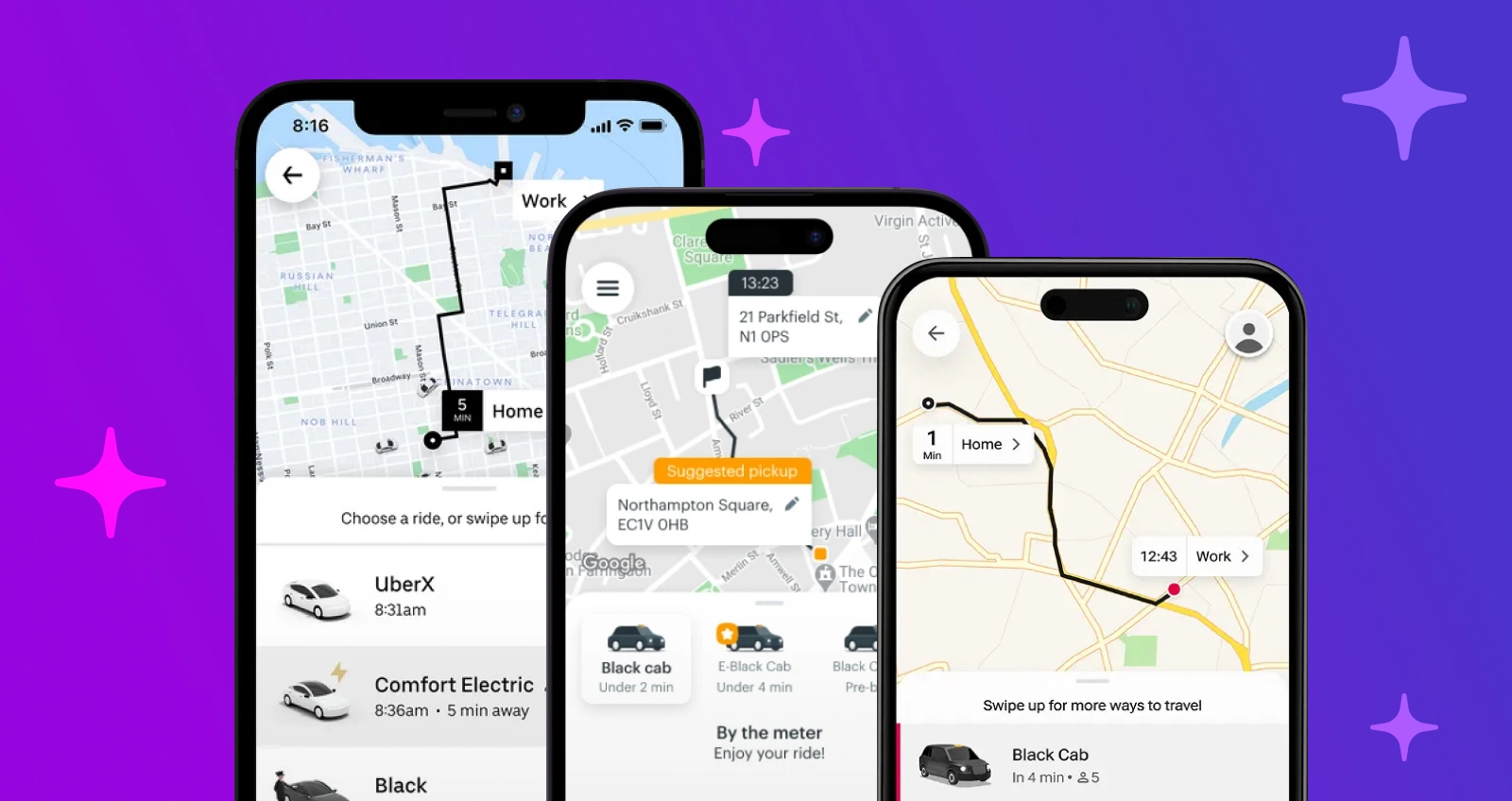
A few years back, calling a taxi felt like a small hassle. You either waited outside or called a dispatcher and hoped for the best. Today, people expect a car in minutes and rarely think about how it works. The global ride-hailing market is expected to exceed $200 billion by 2026, with millions of rides happening daily across major cities.
That is why taxi mobile app development keeps coming up in business conversations. But it is not just about launching an app. The real challenge is building something people actually use and come back to. Even small issues can break the experience. A slow response, unclear pricing, or a failed payment is often enough for someone to switch and never come back.
What Is Taxi App Development and How Does It Work?
Taxi app development is not just about building a mobile app. It is about creating a system that connects passengers, drivers, and operators in real time, supporting the full ride flow from booking to payment.
From the outside, it looks simple. You open an app, request a ride, and everything just works. But behind that flow, the system processes multiple decisions at once.
When a user taps “book,” the platform evaluates available drivers, distance,
estimated arrival time, and current conditions. At the same time, it
calculates pricing based on demand and route.
All of this happens within seconds, and even small delays can affect
the experience.
In practice, what looks like a single product is a set of connected components:
- a passenger app for booking and tracking rides
- a driver app for managing trips and navigation
- an admin panel for pricing and operations
- a backend that handles matching, payments, and real-time data
These parts need to work as one system. As usage grows, the focus shifts
from adding features to maintaining speed, stability, and accuracy.
In many cases, teams choose between building from scratch and using
ready-made or white-label solutions, depending on how much flexibility and
control they need. For example, platforms like Mobion provide a ready-to-use
infrastructure that already includes these components, reducing development
time and complexity.
Taxi App Development Process Step by Step
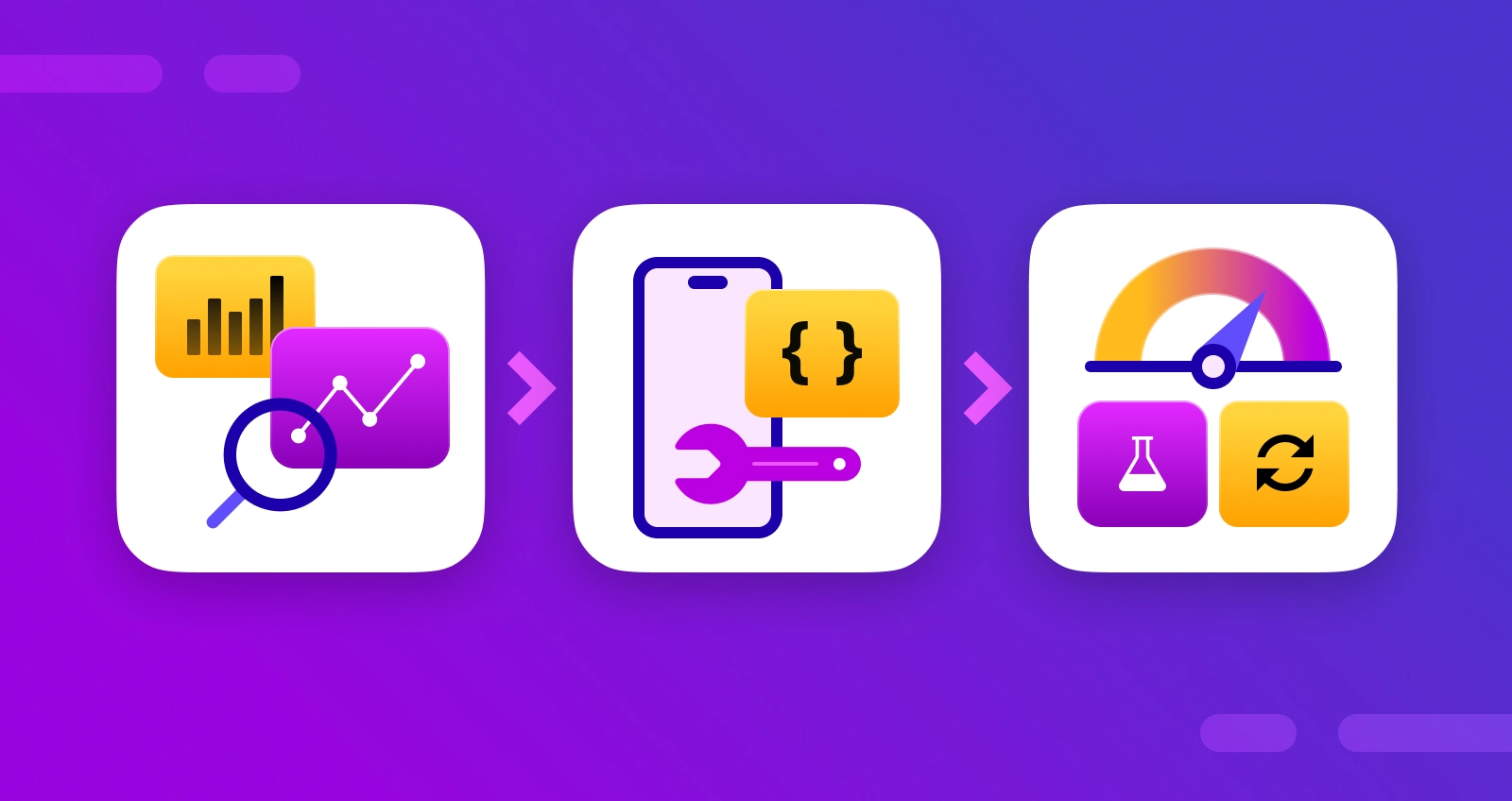
Building a taxi app rarely follows a perfectly linear path. Some decisions happen earlier than expected, while others need to be revisited once the product starts taking shape. Still, most projects move through the same core stages: defining the product, validating demand, shaping the user flow, building the system, and improving it after launch. The difference is not in whether these steps exist, but in how clearly they are handled from the start.
Define the Product Scope
This stage is less about features and more about clarity. Before anything is designed or built, the team needs to define what kind of product is actually being created: a local taxi app, a ride-hailing platform, or a broader mobility service. That decision affects everything that comes next, from pricing logic to the number of user roles in the system.
Without a clear scope, products tend to grow in different directions at once. What feels like a small change early on can later affect dispatching, payments, admin logic, and reporting.
Research the Market and Users
Taxi products often look similar on the surface, but user expectations vary significantly by market. In one city, speed is critical. In another, pricing transparency or cash payments matter more. This is why competitor analysis alone is not enough.
At this stage, teams usually review competing apps, study common user complaints, and identify baseline expectations. This helps avoid building a product that looks complete but does not match how people actually use the service.
Prioritize Core Features
One of the most common mistakes is treating every feature as equally
important. In reality, most successful launches start with a stable core:
ride booking, driver matching, pricing, tracking, and payments.
The goal is not to limit functionality, but to focus on what makes the
product usable from day one. Additional features can be added later, once
the core experience is stable and validated.
Design the User Experience
Taxi apps are judged almost instantly. If booking feels unclear, tracking
looks unreliable, or pricing is confusing, users notice it right away.
Design is not just about visuals, but about reducing friction at every step
of the ride flow.
Passenger and driver apps serve different purposes, so each requires its own
logic and priorities. A smooth experience on both sides is what ultimately
defines how the product performs in real use.
Build the Platform
At this stage, development moves beyond screens into system architecture. The product includes not only mobile apps, but also backend logic, admin tools, integrations, and real-time communication between all parts of the system.
This is also where teams decide how much to build from scratch and how much to accelerate using existing solutions. For example, platforms like Mobion already provide the core infrastructure, including passenger and driver apps, backend, and admin tools, which helps reduce development time and complexity.
Test Under Real Conditions
Testing a taxi product goes beyond checking whether features work in isolation. The system needs to perform under real conditions: unstable networks, live location updates, traffic variability, and real user behavior.
This is where many hidden issues appear. A flow that works in a controlled environment can behave very differently once real users start interacting with it.
Launch, Measure, and Improve
Launch is not the end of development, but the point where assumptions meet
real behavior. Some features are used constantly, others are ignored, and
certain parts of the flow may create friction that was not visible before.
That is why post-launch iteration is critical. Teams need to track usage,
identify weak points, and continuously improve the product based on real
data rather than internal expectations.
In practice, taxi app development is not a straight path from idea to launch. It is a sequence of decisions that shape how reliable, scalable, and usable the final product becomes. The stronger these stages are handled early on, the easier it is to build a service that works in the market, not just in theory.
Must-Have Features of a Taxi App
Users do not evaluate taxi apps by the number of features. They judge them by how smoothly the ride works from request to payment. That is why the focus is not on quantity, but on a small set of features that define the entire experience.
From a product perspective, most taxi app development services concentrate on building a stable core first, before expanding functionality. This is exactly what defines modern taxi service software, where the goal is not feature volume, but a consistent and reliable ride experience.
Core Features
These features form the foundation of any taxi app. Without them, the product simply does not work as a service.
Ride Booking and Driver Matching
This is the starting point of the entire flow. The system needs to quickly
connect a passenger with an available driver based on location,
availability, and estimated arrival time.
Even small delays or incorrect matches can significantly impact user trust
and retention.
Real-Time Tracking
After booking, users immediately check whether the driver is moving and
where the car is. Real-time tracking creates transparency and reduces
uncertainty during the wait.
For drivers, it also helps optimize routes and improve trip efficiency.
Pricing and Payments
Pricing needs to be clear before the ride starts, and payments need to be
seamless after it ends. This includes fare calculation, payment processing,
and confirmation.
A failed or unclear payment flow is one of the most common reasons users
abandon an app.
Ratings and Reviews
Ratings build trust on both sides of the platform. Passengers use them to
evaluate drivers, while drivers rely on them to maintain performance
standards.
Over time, this system directly influences behavior and overall service
quality.
Additional Features
Once the core experience is stable, platforms usually expand functionality to improve operations and user experience.
Ride Scheduling
Allows users to pre-book rides for specific times. This is often used for high-intent trips, where reliability is critical.
Dynamic Pricing
Adjusts fares based on demand, traffic, or time of day. This helps balance supply and demand, especially during peak hours.
Driver and Fleet Management
Includes features for managing drivers, tracking performance, and optimizing
operations at scale.
Instead of building these features one by one, some teams choose platforms
like Mobion that already combine core and operational functionality into a
single system, reducing development time and operational complexity.
In practice, a taxi app is defined not by how many features it includes, but by how reliably its core works. Additional functionality only adds value when the foundation is already stable.
Types of Taxi App Development Solutions
There is no single way to build a taxi app. The right approach depends on how fast you want to launch, how much control you need, and how you plan to scale.
Most teams choose between three main options:
-
Ready-Made Solutions
These are pre-built products with minimal customization. They allow you to launch quickly, sometimes within weeks, and require the lowest upfront investment.
However, flexibility is limited. As your business grows, adapting the system to new requirements can become difficult or even impossible.
Best for small operators, quick market entry, or testing an idea.
-
White-Label Apps
White-label solutions offer a middle ground. You get a ready product but can customize branding, pricing logic, and selected features.
This approach is often used by companies that want to launch faster than custom development allows, while still keeping control over how the product looks and operates.
Mobion follows this approach by providing a white-label platform that includes passenger and driver apps, a dispatcher system, and backend infrastructure out of the box, allowing teams to launch faster without building everything from scratch.
Best for growing businesses that need speed with moderate flexibility.
-
Custom-Built Solutions
Custom development gives full control over the product. Everything is built from scratch and tailored to specific business logic, integrations, and scaling requirements.
This route is usually chosen when standard solutions no longer fit the business model or scaling needs. In these cases, teams often work with a custom taxi app development company to build a system around their specific requirements.
It is the most flexible option, but also the most resource-intensive. Depending on complexity, development can take several months and require a significantly higher budget compared to other approaches.
Best for large-scale platforms, unique business models, or long-term scalability.
The choice usually comes down to one simple question: do you want speed, flexibility, or full control. Most teams cannot have all three at once, so the right decision depends on what matters more at your current stage.
Taxi App Development Cost in 2026
Taxi app development cost varies widely depending on the scope of the product, the level of customization, and how the system is expected to scale over time.
A simple version with basic functionality can start somewhere around $40,000–$60,000. This usually covers core features and a relatively small launch.
Most apps that are built to compete in the market typically fall in the $100,000–$250,000 range.
More complex platforms, especially those designed for scaling, can exceed $300,000 or even $400,000+.
The difference in cost comes from a combination of factors:
- feature complexity, especially real-time tracking, matching, and pricing logic
- number of platforms, whether it is iOS, Android, or both
- design quality and overall user experience
- backend infrastructure required for real-time data and scaling
- integrations such as maps, payments, and notifications
- development team location and hourly rates
There is also an important factor that is often underestimated: maintenance. After launch, apps typically require around 15–20% of the initial development cost annually to maintain performance, fix issues, and support updates.
At this stage, many teams reconsider whether building everything from scratch is the right approach. Full custom development provides maximum flexibility, but it also increases time to market, budget, and technical complexity.
With Mobion, teams can avoid these trade-offs by launching a ready-to-use system that already includes core applications, backend infrastructure, and operational tools, significantly reducing both upfront investment and time to market.
In the end, the cost is not just about development, but about how efficiently you can launch, operate, and scale the product over time.
How to Choose a Taxi App Development Company
Choosing a taxi app development company directly affects how the product will be built, launched, and supported over time.
Before making a decision, it helps to focus on a few practical criteria:
-
Relevant experience
Look for teams that have already worked on taxi or ride-hailing products. These systems involve real-time operations, routing, and pricing logic that differ from standard mobile applications. -
Scope of delivery
Understand what is included in the project. A complete solution typically covers a passenger app, driver app, admin panel, and backend infrastructure. -
Development timeline
Estimates should reflect the complexity of the system. Very short timelines often mean that important parts of the product are not fully accounted for. -
Budget vs scope
Compare the cost with what is actually included. A lower price may indicate limited functionality, simplified architecture, or reduced scalability. -
System reliability
Consider how the product will perform under real conditions, including peak demand and high user activity. -
Post-launch support
Clarify what happens after release, including updates, fixes, and ongoing maintenance.
Many development companies may appear similar at first, but the differences usually become clear when you look at what they have actually built and how their solutions perform in real use.
Price matters, but only in relation to what you are getting.
In the end, the right development company is the one that fits your product requirements and can support it as it grows.
Conclusion
Taxi app development is not a single decision, but a series of choices that shape how the product will perform in real conditions. From the initial idea to the development process, feature set, and cost structure, each step directly impacts the final result.
A working taxi app requires more than a good interface. It depends on how well the system handles real-time operations, user demand, pricing logic, and overall stability as it grows.
There is no one right way to build such a product. Some teams choose speed, others prioritize flexibility or full control. The right approach depends on your goals, timeline, and the level of complexity you are ready to manage.
For teams that want to reduce complexity and avoid rebuilding core functionality, Mobion provides a ready-to-launch taxi platform with passenger and driver apps, dispatch system, and backend infrastructure already in place.
F.A.Q.
Ready to revolutionize your taxi business?
Choose what you need: