
How to Create a Taxi Website: Step-by-Step Guide for 2026

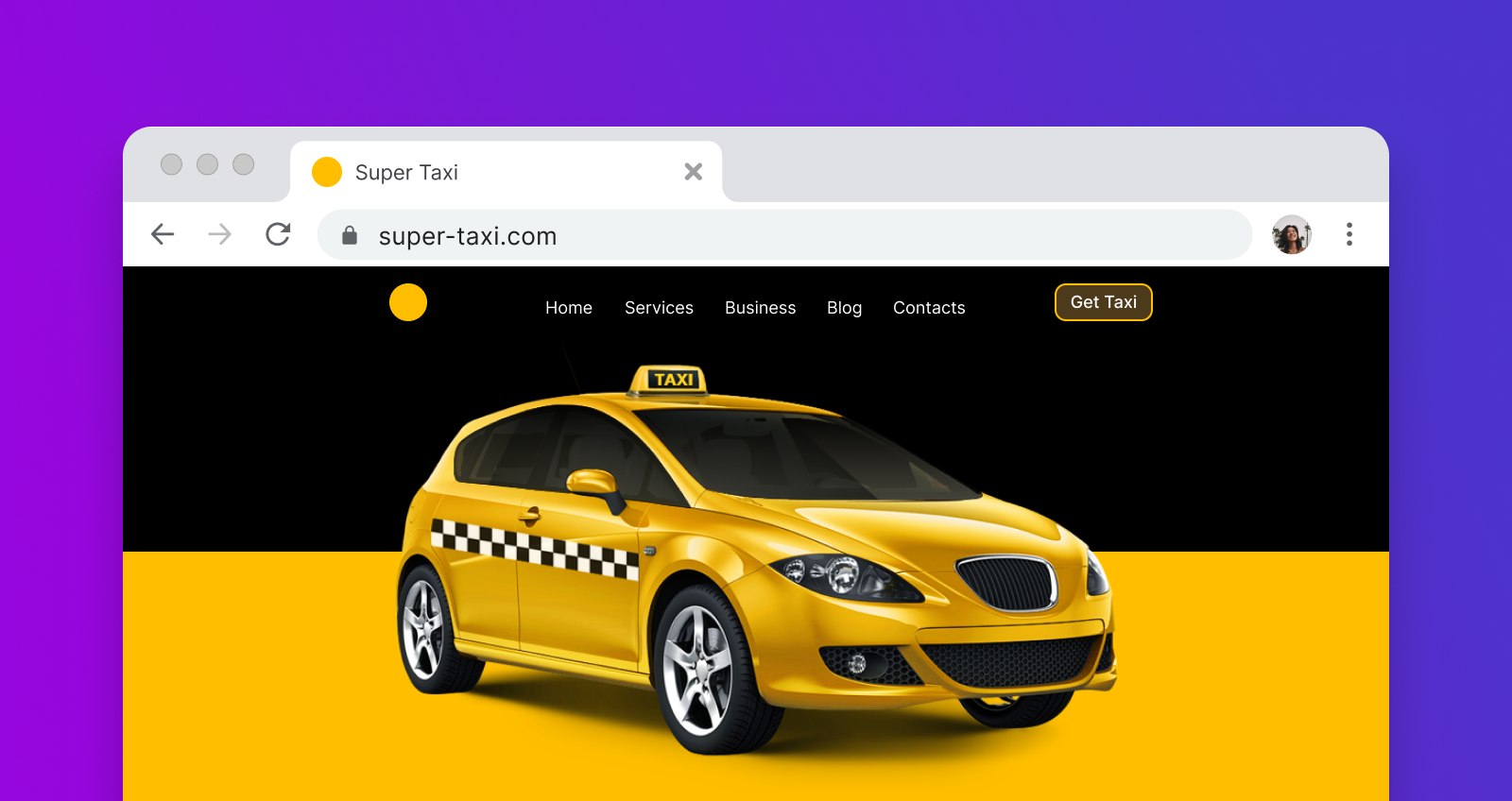
Building a taxi website today is not just about creating a page with a booking form. With the rise of real-time apps and on-demand services, the standard has changed, and users now expect much more from a taxi service. A website is expected to support the full booking process, reflect availability, and respond quickly when users interact with it.
In practice, this is where many setups start to fall short. A website may look complete, but once real users begin to book rides, gaps in the flow become visible. If something feels slow or unclear, people leave without hesitation.
When people search for how to make taxi website, most advice focuses on design or basic setup. That only covers part of the picture. The real difference comes from how the system behaves once someone tries to book a ride.
This guide shows how to create a taxi website step by step, focusing on what actually matters when your service starts handling real users and real requests.
What Is a Taxi Website and How Does It Work
A taxi website is part of the system that handles ride requests, drivers, and trips, linking the booking process with the operational side of the service. While the interface may look simple, it relies on a sequence of steps that need to work together without interruption.
This flow typically includes:
- Booking - the user submits trip details, including pickup, destination, and ride parameters, which creates a request in the system
- Matching - the request is processed and assigned to an available driver based on location and availability
- Tracking - the status of the trip is updated in real time, allowing both sides to follow progress
- Payment - the ride is completed, and the fare is calculated and processed
These steps form a continuous process. Delays or gaps at any point affect
how the service performs and how many requests are successfully completed.
Because of that, a taxi website does not function as a standalone page. It
depends on a system that can process requests, coordinate drivers, and
support real activity as it happens.
Why a Taxi Website Alone Is Not Enough for a Working Service
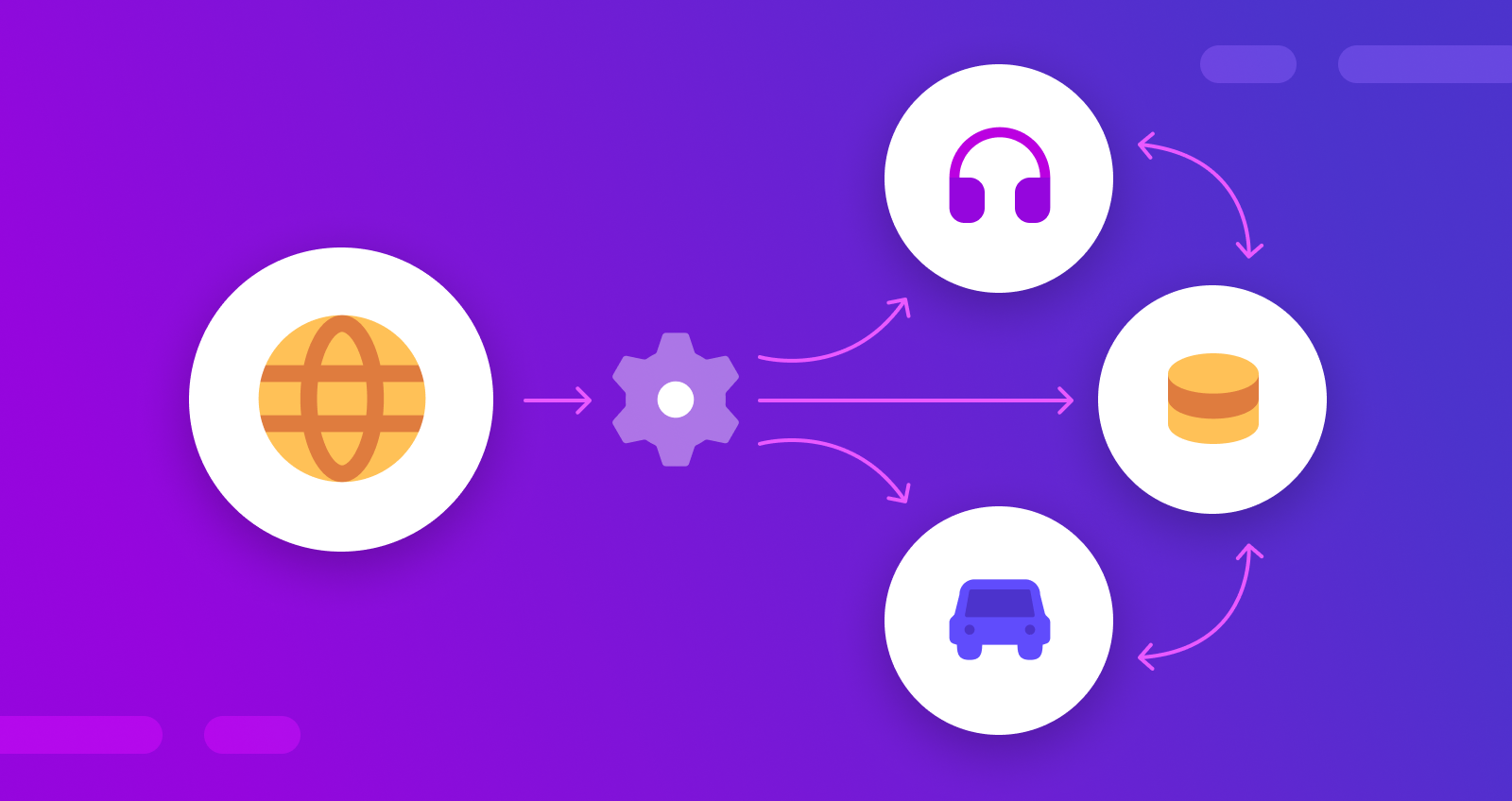
A taxi website can accept ride requests and give the service a visible entry point, but on its own it does not cover what is required to run day-to-day operations. Once a booking is submitted, it has to be processed, assigned to a driver, and kept in sync with availability, pricing, and trip status in real time. This coordination does not happen at the level of the website, which means that without a system behind it, requests remain disconnected from the actual execution of the service.
In practice, a working taxi service is built as a connected setup where the website handles the booking side, a driver app manages trips in the field, a dispatch layer assigns incoming requests, and the backend supports real-time updates and pricing. A dedicated taxi booking website is one of these components, designed to capture requests and pass them into the system where they are processed and completed without gaps between the request and the actual trip.
Without this structure, even a well-designed website quickly runs into limitations. Requests may come in, but they are harder to manage, slower to assign, and more dependent on manual coordination, which makes it difficult to maintain consistent service quality or handle growing demand.
Taxi Website vs Full Taxi Platform
A taxi website is often seen as a standalone solution, especially at the early stage, when the goal is simply to start accepting ride requests. In practice, it only covers a limited part of how the service operates, leaving most of the operational logic outside the website itself.
This creates a gap between collecting demand and actually fulfilling it. To better understand the difference, it helps to compare a basic taxi website setup with a full taxi platform that handles both booking and operations.
| Feature | Taxi Website | Full Taxi Platform |
|---|---|---|
| Booking | Simple form or request submission | Real-time ride booking |
| Driver matching | Manual or not available | Automatic driver assignment |
| Tracking | Limited or not included | Live GPS tracking |
| Payments | External or manual processing | Integrated in-app payments |
| Dispatch | Not included | Centralized dispatch system |
| Scalability | Limited growth potential | Built for scaling operations |
A taxi website can handle simple requests, but without a system behind it, it depends on manual coordination or disconnected tools. This may work at a very small scale, but it quickly becomes a limitation as demand grows and more drivers and requests need to be managed at the same time.
A full platform works differently. It connects all parts of the service and processes requests in real time, so drivers receive trips instantly, users get accurate updates, and operations remain consistent even as usage increases. The difference becomes clear as soon as real traffic appears, when one setup starts to slow down while the other continues to operate smoothly.
Key Features Every Taxi Website Needs
A taxi website should include more than a basic booking form to handle real usage. It needs to support the full booking flow, from request to completion, without gaps. This includes clear taxi booking features, a stable online taxi booking process, and logic that connects users with drivers. A professional setup also considers taxi website functionality, user flow, and core requirements that shape how the service works in practice.
Core Features
Core features define whether the website can handle real bookings. Without them, the service does not function as a reliable product. These elements support the main ride flow from request to completion.
- Ride booking
- Real-time tracking
- Pricing
- Payments
Additional Features
Additional features improve usability and help manage operations as the service grows. They are not required for launch, but become important once demand increases.
- Scheduling
- Notifications
- Admin tools
How to Make a Taxi Service Website Step by Step
-
Define Your Business Model
Start with a simple question: what kind of taxi service are you actually building? Some projects stay local, with a few drivers and fixed routes. Others aim for broader coverage and a larger pool of requests. These are not small differences. They affect how pricing works, how bookings are handled, and what the website needs to support from the beginning.
When thinking about how to make taxi website for business online, this step sets the tone for everything that follows.
-
Plan Website Structure and Booking Flow
Once the idea is clear, it helps to look at how a user will move through the website. Not in theory, but step by step. Open the page, enter details, confirm the ride. That is the path.
The shorter and clearer it feels, the better. Extra steps, repeated inputs, or unclear actions usually cause people to drop off. A clean flow is not about design trends, it is about removing hesitation from the process.
-
Design the User Experience
This part is often misunderstood. A good design is not about making things look modern. It is about making them easy to use without explanation.
Users should not need to think about where to click or what happens next. They just follow the flow. If something feels off, even slightly, it slows them down. In taxi services, that small delay can be enough for someone to leave and try another option.
-
Choose Technology or Solution
At some point, you need to decide how the system will be built. There are two common paths. Either you build everything yourself, or you start with something that already works and adjust it.
Both options come with trade-offs. Building from scratch gives more control but takes time. Ready solutions reduce effort, but you work within certain limits. The choice usually depends on how fast you need to launch and how much you plan to customize later.
-
Build or Integrate the System
Now the idea starts to take shape. The website is set up, and the booking flow begins to work as expected. But this is also where it becomes clear that the site alone is not enough.
It needs to connect to something else. Drivers, dispatch logic, backend processes. Without that, requests do not go anywhere. Integration is what turns a simple page into a working service that can handle real activity.
-
Test Under Real Conditions
Testing often feels straightforward until real usage begins. What works in a controlled setup can behave differently once multiple requests come in at the same time.
It is worth checking how the system reacts under pressure. Not just once, but repeatedly. Slow responses, missed updates, or small delays tend to show up here. Fixing them early makes everything more stable after launch.
-
Launch and Optimize
Going live is only the starting point. Once users begin to interact with the website, patterns appear. Some steps work well, others feel less smooth.
This is where small adjustments matter. Shortening a step, improving response time, or clarifying an action can change how the whole flow feels. Over time, these changes make the service easier to use and more reliable under real conditions.
Build vs Buy: Choosing the Right Approach
| Option | Time to Launch | Initial Cost | Flexibility | Maintenance | Best Fit |
|---|---|---|---|---|---|
| Build from scratch | Long | High | Full control | High ongoing effort | Complex or custom business models |
| White-label solution | Medium | Moderate | Partial customization | Managed or shared | Growing taxi businesses |
| Ready-made platform | Short | Lower upfront | Limited flexibility | Minimal setup | Fast market entry |
Choosing between these options usually comes down to time, budget, and how much control you actually need. Building from scratch takes longer and requires ongoing support. Ready solutions simplify the process and reduce technical overhead. Many businesses prefer this approach to avoid rebuilding standard features. Platforms like Mobion make it possible to launch faster while keeping the core system stable and ready for real usage.
Cost of Creating a Taxi Website in 2026
The cost of a taxi website depends on what you expect it to support after launch. A simple setup can handle basic requests, but a system designed for real bookings, driver coordination, and ongoing operations requires a different level of investment.
The budget is usually shaped by several key factors:
-
Features
More advanced booking logic, user actions, and automation increase both development time and cost. -
Integrations
Maps, payments, notifications, and third-party services add functionality, but also require additional setup and maintenance. -
Scalability
Supporting a higher volume of users and requests means investing in infrastructure that can handle real-time operations without delays. -
Team and development approach
Costs vary depending on whether the system is built in-house, outsourced, or based on a ready solution.
In most cases, the difference in cost comes from how much of the system needs to be built and maintained, not just from the website itself. For that reason, it is worth defining the required scope in advance, including the booking flow, integrations, operational logic, and expected scale, before estimating the budget.
Common Mistakes to Avoid
Many issues with taxi websites do not come from design, but from early decisions that seem harmless at first. These problems usually become visible later, when real users start interacting with the service and the system is tested under actual demand. At that point, even small gaps in logic or structure can affect reliability and overall performance.
Some of the most common mistakes include:
-
Building only a website without a backend
A website can collect requests, but it cannot process them on its own. Without a system behind it, bookings do not move forward, which makes the service dependent on manual coordination. -
Ignoring driver experience
If drivers cannot easily accept, manage, and complete trips, delays become unavoidable. This quickly affects how reliably the service operates and how users perceive it. -
Overloading features too early
Adding too many options at the beginning often makes the booking flow harder to use. Instead of improving the product, it introduces unnecessary complexity and slows down interactions. -
Poor booking flow
Unclear steps, extra inputs, or slow responses interrupt the process. When the flow is not smooth, users are more likely to leave than try to complete the request.
Most of these issues can be avoided by thinking beyond the website itself and focusing on how the entire service is expected to operate.
How to Scale a Taxi Website Into a Full Business
A taxi website can work well at the early stage, when the goal is to start accepting requests and test how the service operates in practice. It provides a simple entry point for users and helps validate demand without a complex setup.
As usage grows, this approach begins to show its limitations. Handling more requests, coordinating multiple drivers, and keeping operations consistent requires more than a basic setup. What initially works as a lightweight solution gradually needs to evolve into a more structured system.
In practice, this shift involves moving from simple request collection to a setup where bookings, dispatch, and operations are connected and managed in real time. Automation becomes essential at this stage, since requests need to be assigned instantly, pricing has to adapt dynamically, and updates must remain accurate as activity increases.
Scaling is not just about increasing traffic. It is about maintaining stability and control as demand grows, ensuring that the service continues to operate reliably even as complexity increases.
Conclusion
A taxi website can be a starting point, but it does not define how the service actually operates. As soon as real usage begins, the focus shifts from the interface to how requests are processed, how drivers are managed, and how the entire flow is coordinated in real time.
Building a working service means thinking beyond the website and designing a system where booking, dispatch, pricing, and updates are connected and operate without gaps. This is what allows the service to remain stable as demand grows and operations become more complex.
The approach you choose from the beginning has a direct impact on how quickly you can launch, how much effort is required to maintain the system, and how easily the service can scale over time.
F.A.Q.
Ready to revolutionize your taxi business?
Choose what you need: